

The Importance of Defibrillator (AED) Training in Hospital Settings
Introduction
In a hospital environment emergencies are not rare events. They are part of daily operations. Among them, a sudden cardiac arrest is one of the most time critical situations a healthcare team can face.
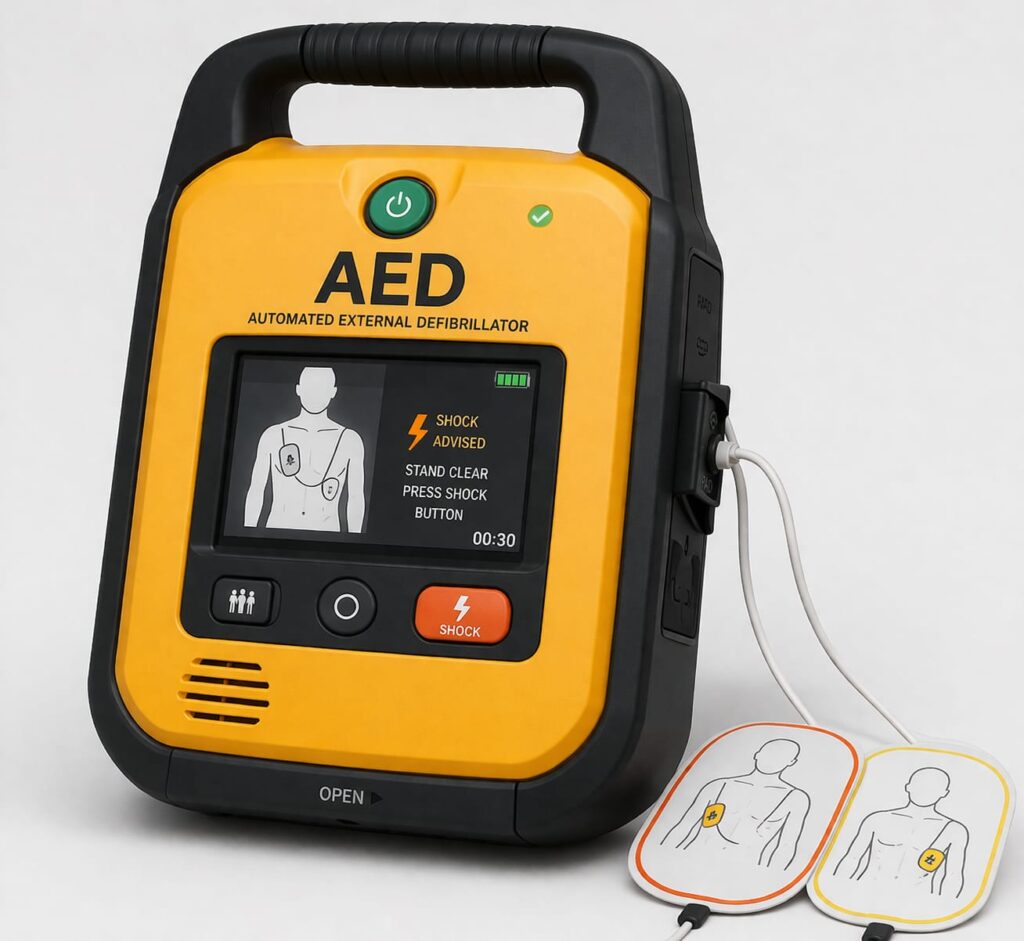
A defibrillator, specifically an Automated External Defibrillator (AED), is meant to bring the heart back to a normal rhythm. However in real life situations, it works only if someone steps in immediately and knows what they’re doing. That’s where training really matters.
Why AED Training Matters?
1. Time- The deciding factor
When a cardiac arrest occurs, each minute reduces survival chances if not intervened. Proper AED training ensures that the staff can act immediately without waiting for specialised personnel.
2. Confidence under pressure
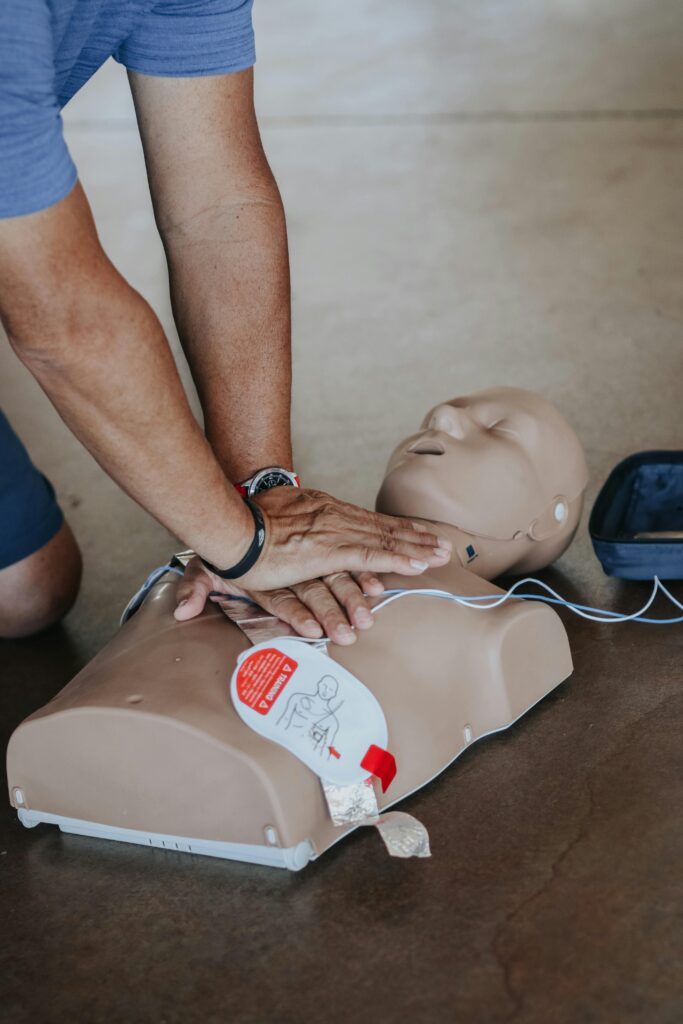
In theory, a defibrillator may seem easy to use. But in reality, emergencies are chaotic. Proper training helps the staff remain calm, follow the correct steps and deliver care without delay.
3. Team coordination improves
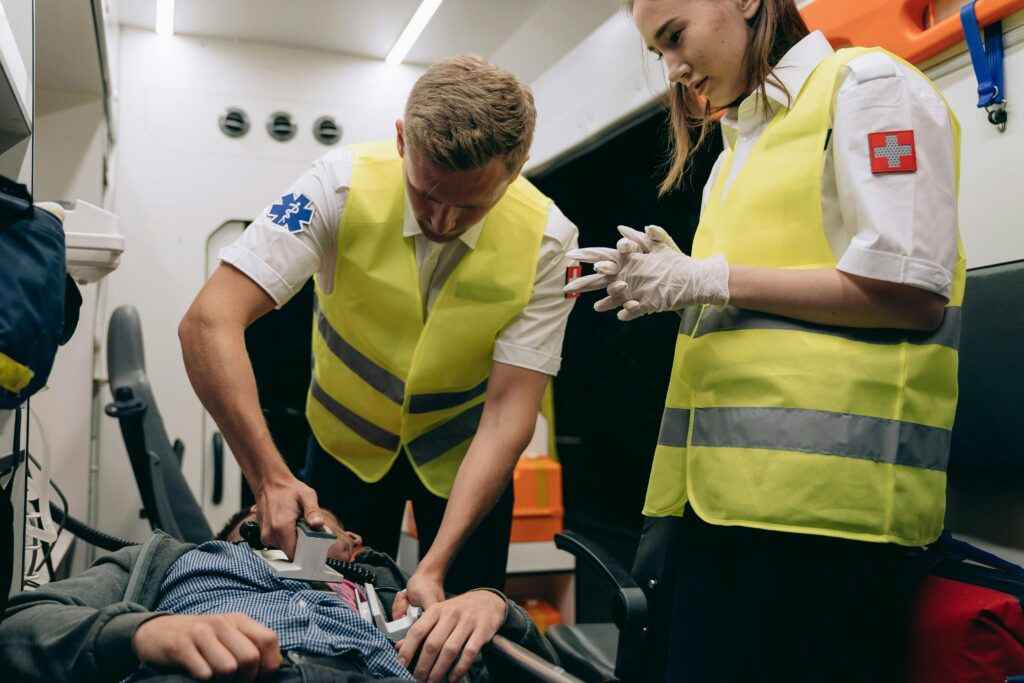
Cardiac emergencies require a coordinated response. While one team member prepares the AED, others may manage CPR, airway support or medication. Training creates clarity in roles and reduces confusion during critical moments.
4. Reduces errors
Incorrect placement of the pad, delays in shock delivery or interruptions in CPR can alter outcomes. Regular, hands on training minimises these risks and improves overall response quality.
5. Ensures preparedness
Hospitals that make AED training a regular practice have teams who are better prepared when something goes wrong, instead of scrambling to respond. That readiness can directly improve patient safety and outcomes.
Beyond Compliance: A Practical Investment
AED training is often treated as a compliance requirement. But its real value lies in preparedness. Hospitals that conduct periodic sessions, simulation drills and competency assessments see better response times and improved team performance.
Training shouldn’t be limited to only emergency departments. Cardiac arrest can occur in wards, outpatient areas or even in non clinical zones. Expanding AED training across departments ensures a wider safety net.
The Role of Regular Training
Skills fade if they are not used. This is particularly true for emergency response procedures.
Regular AED training helps:
Reinforce correct techniques
Update staff on latest protocols
Identify gaps in response systems
Improve confidence across all levels of staff
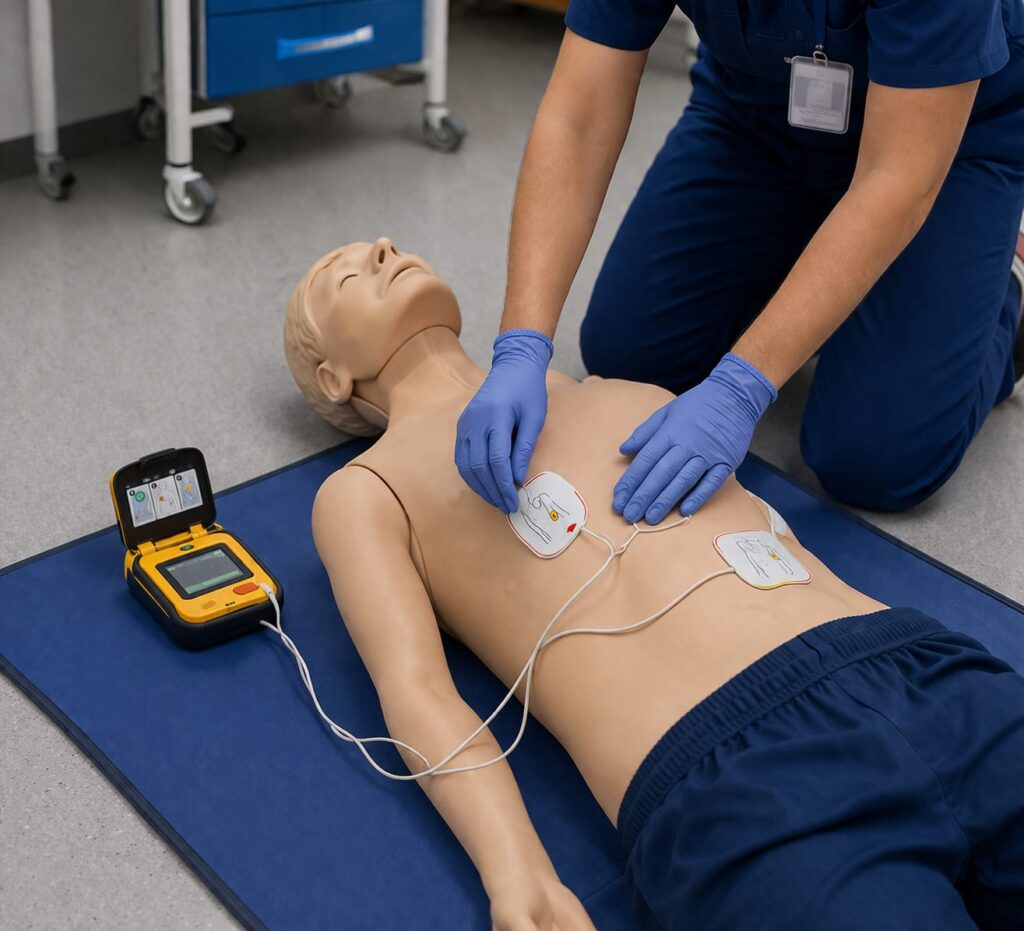
Simulation based training, in particular, allows teams to practice real life scenarios without risk, making it one of the most effective methods.
Strengthen Your Emergency Response Systems
At MGHCS, we support healthcare providers in building stronger, more responsive clinical environments. From staff training and competency development to clinical governance and operational readiness, our approach focuses on practical, real-world improvement.
Whether you are looking to enhance emergency response capabilities, standardise clinical practices, or upskill your teams, structured training and the right systems can make a measurable difference.
Connect with MGHCS to explore how your organisation can improve preparedness, performance and patient safety.
FAQs
1. What is an AED and how does it work?
An Automated External Defibrillator (AED) is a medical device that analyses heart rhythm and delivers an electric shock if needed to restore a normal rhythm during cardiac arrest.
2. Who should be trained to use an AED in a hospital?
Ideally, all healthcare staff, including nurses, technicians and even non-clinical staff working in patient areas, should receive basic AED training.
3. How often should AED training be conducted?
Refresher training is recommended at least annually, with more frequent simulation drills to maintain competency.
0 comments