

Why Code Blue Systems Are Critical for Patient Survival in Hospitals?
Introduction
A well coordinated emergency response is a key feature for patient survival in hospitals. Studies provide evidence of a higher survival rate after in-hospital cardiac arrest in hospitals equipped with organized Code Blue procedures. Studies analysing functioning Code Blue teams have reported better resuscitation efforts and improved patient outcomes when rapid response protocols are implemented and staff are trained accordingly.
Hospitals across Saudi Arabia and the GCC region are recognizing that effective emergency response protocols are not optional, they are essential to patient safety and clinical excellence.
What Is a Code Blue System?
A Code Blue system is a hospital-wide emergency response protocol activated during life-threatening medical emergencies such as cardiac arrest or respiratory failure.
It typically involves:
- Immediate alert to a specialized response team
- Deployment of trained healthcare professionals
- Use of resuscitation equipment – defibrillators, crash carts, airway tools
- Implementation of standardized CPR and advanced cardiac life support protocols
Why Code Blue Systems Directly Impact Patient Survival
1. Immediate Response Saves Brain Function
Brain injury can begin within 4–6 minutes without oxygen. Early CPR and defibrillation increases survival rates. Hospitals with trained Code Blue teams respond faster, reducing delays that may lead to irreversible damage.
2. Standardized Protocols Reduce Errors
Without a defined system:
- Roles may overlap or remain unclear
- Communication breaks down
- Critical steps may be missed
A structured Code Blue protocol ensures:
- Clear leadership
- Defined responsibilities
- Evidence-based resuscitation practices
3. Team Coordination Improves Outcomes
Resuscitation requires that doctors, nurses and support staff must work in coordination.
Regular BLS, ILS and ACLS training strengthens:
- Communication during emergencies
- Role clarity
- Clinical confidence
4. Improved Hospital Accreditation & Compliance
In regions like Saudi Arabia, healthcare institutions must meet strict safety and quality standards. A functional Code Blue system supported by certified training:
- Enhances hospital credibility
- Supports accreditation requirements
- Demonstrates commitment to patient safety
The Role of Structured Training in Code Blue Effectiveness
The effectiveness of a Code Blue system depends on the competence of the team executing it.
BLS (Basic Life Support)
- High-quality CPR
- AED usage
- Airway management basics
ILS (Immediate Life Support)
- Advanced airway techniques
- Team-based response
- Early stabilization
ACLS (Advanced Cardiac Life Support)
- ECG interpretation
- Advanced pharmacology
- Cardiac arrest algorithms
- Post-resuscitation care
Hospitals which invest in structured resuscitation training see improvements in emergency response efficiency.
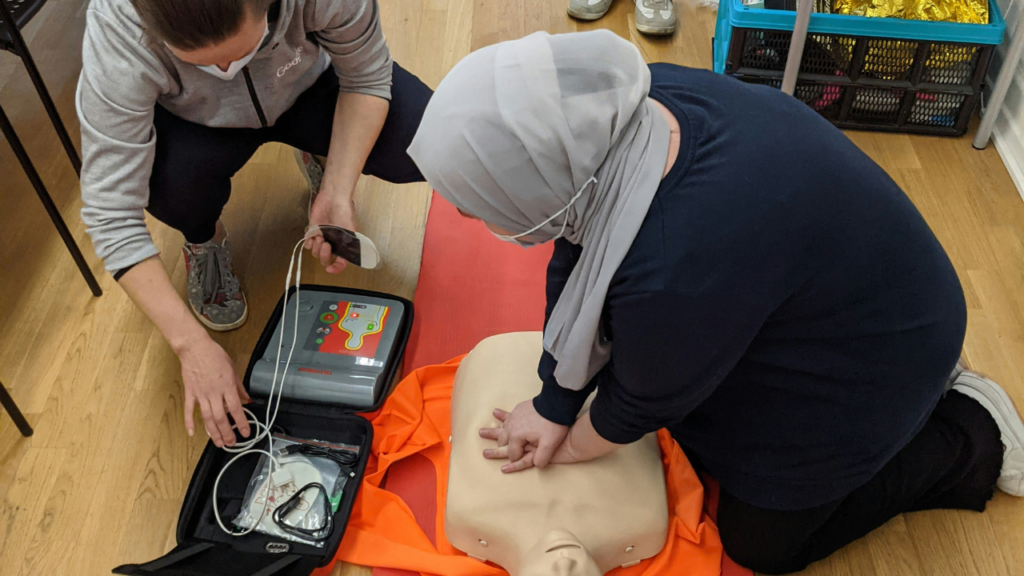
Common Challenges in Hospitals Without Structured Code Blue Systems
- Delayed response times
- Inadequate resuscitation skills
- Increased mortality rates
- Staff anxiety during emergencies
These challenges can be significantly reduced through regular simulation drills and certified training programmes.
Strengthening Patient Safety Through Emergency Preparedness
Ultimately, the purpose of a Code Blue system is to maximize patient survival and minimize preventable deaths.
Hospitals that combine:
Clear emergency protocols
Regular simulation drills
Certified BLS, ILS & ACLS training
…build safer healthcare environments and stronger clinical teams.
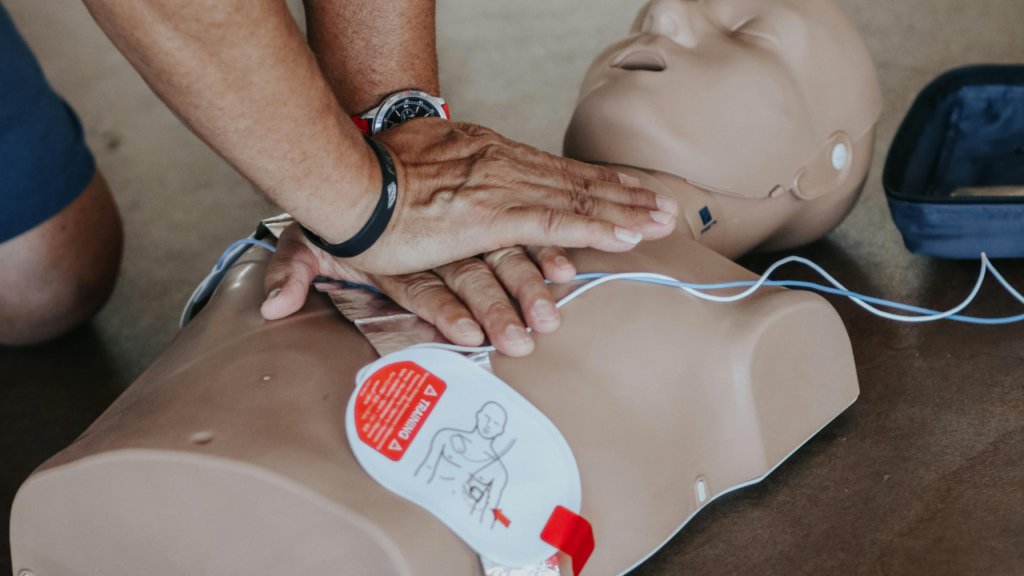
Advancing Emergency Preparedness in GCC Healthcare Institutions
With improving patient safety standards in Saudi Arabia and other GCC countries, code blue systems based on structured training programs (and reinforced with certification as well) are becoming more important.
Regular training of clinical teams in BLS, ILS and ACLS is important to improve the capacity for effective emergency response, while also embedding a culture of preparedness and clinical practice.
MGHCS works with healthcare institutions and professionals across the GCC to support structured Code Blue training initiatives aligned with international resuscitation guidelines.
FAQs
1. What is a Code Blue in a hospital?
A Code Blue is an emergency alert activated when a patient experiences cardiac or respiratory arrest, requiring immediate resuscitation.
2. Who should undergo Code Blue training?
Doctors, nurses, ICU staff, emergency department personnel and allied healthcare professionals should undergo BLS, ILS and ACLS training.
3. Does Code Blue training improve survival rates?
Yes. Studies show that early CPR and defibrillation significantly increase survival rates during cardiac arrest.
4. What certifications support effective Code Blue systems?
BLS, ILS, and ACLS certifications ensure healthcare professionals follow standardized, evidence-based resuscitation protocols.
0 comments